The Cottage Cheese Flatbread has taken the culinary world by storm, and for a very good reason. This isn’t just another health-trend substitute; it is a soft, flexible, and deeply satisfying bread that rivals any traditional naan or pita.
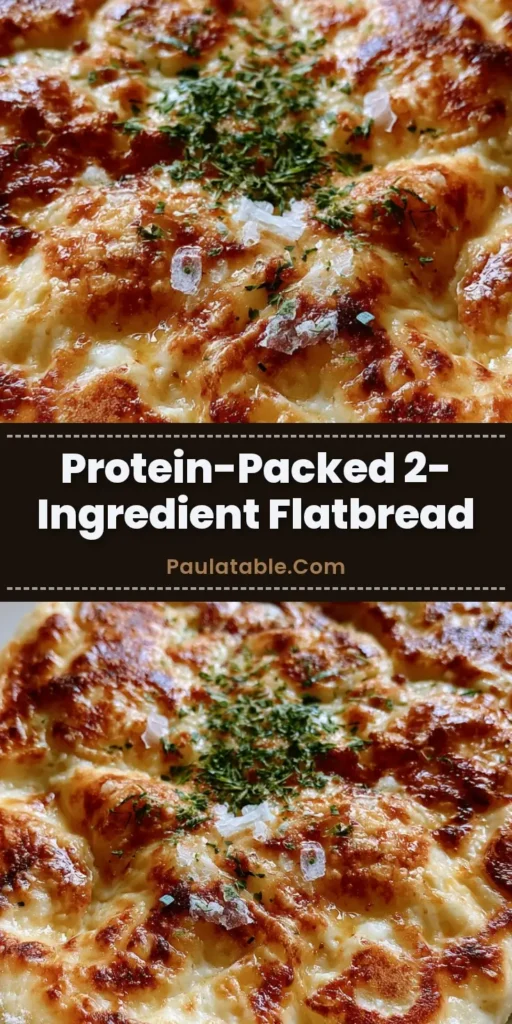
Imagine a bread that offers a tender chew, a subtle tang, and a striking visual appeal. This recipe delivers exactly that, featuring a surface kissed by the heat of a skillet to produce those iconic golden-brown blistered spots.
Whether you are looking to increase your protein intake or simply want a fresh, homemade bread in under 20 minutes, this Cottage Cheese Flatbread is your new kitchen staple. It looks as good as it tastes, especially with a light dusting of white flour and a scatter of sea salt crystals.

Why You Will Fall in Love With This High-Protein Flatbread
- Unmatched Flexibility: Unlike many gluten-free or high-protein alternatives, this dough remains soft and pliable, perfect for folding or wrapping.
- Visual Perfection: The contrast between the light flour dusting and the deep golden-brown blistered spots makes this a centerpiece-worthy side dish.
- Minimalist Sophistication: Garnished with dried green herbs and sea salt flakes, it brings a professional aesthetic to your home dining table.
- Nutrient Dense: By using cottage cheese as the base, you are adding significant protein and calcium to every single bite.
The Essential Components for a High-Protein Dough
To achieve the specific texture and appearance of our Cottage Cheese Flatbread, each ingredient plays a scientific role. We aren’t just mixing; we are engineering a specific crumb and crust.
Cottage Cheese: 1 cup (225g) of small-curd cottage cheese provides the moisture and protein structure. When blended or finely incorporated, it creates a soft, almost velvety interior that stays moist longer than traditional doughs.
All-Purpose Flour: You will need 1.5 cups (190g) plus extra for dusting. This provides the necessary gluten framework to ensure the bread is flexible enough to bend without snapping.
Baking Powder: 1.5 teaspoons (7g) of baking powder acts as our leavening agent. This is what creates those beautiful air pockets that eventually become the toasted golden spots when they hit the hot pan.
Sea Salt: 0.5 teaspoon (3g) for the dough, plus extra flakes for finishing. Salt doesn’t just season; it tightens the gluten structure for a better “pull” when you tear the bread.
Dried Green Herbs: 1 teaspoon (1g) of dried oregano or parsley. These provide the visual “green flakes” mentioned in our blueprint and a subtle earthy aroma that activates upon heating.
Olive Oil: 1 tablespoon (15ml) for the skillet. A high-quality oil with a medium smoke point ensures we get those blistered spots without burning the flour dusting.
Necessary Tools for Skillet Searing
Having the right equipment ensures you match the visual prompt’s “hot skillet” results perfectly. You don’t need a bakery-grade oven to make this happen.
A heavy-bottomed cast iron skillet or a high-quality non-stick pan is non-negotiable. The heat retention of cast iron is what creates the characteristic golden-brown blistered spots across the circular surface.
You will also need a food processor or high-speed blender. To get that soft, uniform texture, we must break down the cottage cheese curds until they are completely smooth before adding the dry ingredients.
Step-by-Step Evolution of the Perfect Flatbread
Creating the Smooth Protein Base
Start by placing your 1 cup (225g) of cottage cheese into a blender. Process on high for 30-45 seconds until it resembles a thick, smooth cream with no visible curds remaining.
This step is vital for the “soft, flexible texture” described in the visual prompt. Smooth cheese integrates seamlessly with the flour, preventing any chunky or uneven spots in the final bake.
Mixing and Kneading the Dough
In a large mixing bowl, whisk together the flour, baking powder, and the initial half-teaspoon of salt. Pour the blended cottage cheese into the center and stir with a wooden spoon until a shaggy dough forms.
Turn the dough onto a surface that has a light dusting of white flour. Knead for 2-3 minutes; the dough should be slightly tacky but should not stick to your hands, maintaining a soft consistency.
Shaping for the Skillet
Divide the dough into four equal portions. Roll each portion into a ball and use a rolling pin to flatten it into a 6-inch (15cm) circle about 1/4 inch thick.
Dust the edges and surface with a bit more white flour. This “light dusting” isn’t just for aesthetics—it prevents the bread from sticking and creates a beautiful matte finish against the seared spots.

Searing for Visual Mastery
Heat your skillet over medium-high heat and add a thin coat of olive oil. Once the pan is shimmering, carefully lay the flatbread into the center.
Cook for 2-3 minutes on the first side. You are looking for the dough to puff up slightly. Flip when you see those deep golden-brown blistered spots forming on the underside.
Cook the second side for another 1-2 minutes. The smell should be toasted and nutty, a clear sensory cue that the maillard reaction is working its magic on your Cottage Cheese Flatbread.
The Final Flourish
Immediately after removing the bread from the heat, place it on a neutral-toned ceramic plate. While the surface is still hot and slightly oily, scatter a pinch of dried green herbs and a few flakes of sea salt across the top.
The residual heat will bloom the dried herbs, releasing their fragrance, while the salt crystals will adhere to the golden spots, providing a crunch that complements the soft bread.
Expert Tips for Flatbread Success
- Manage the Heat: If your flour dusting is turning black instead of golden, your pan is too hot. Lower the flame slightly to allow the interior to cook while the exterior blisters.
- The Blend is Key: If you don’t blend the cottage cheese, the curds will melt and create “holes” in your bread. For that professional look, always go smooth.
- Keep it Covered: As you cook each Cottage Cheese Flatbread, stack them under a clean kitchen towel. This traps the steam and ensures they remain “soft and flexible.”
- Flour Choice: While AP flour is standard, you can use Bread Flour for a chewier texture or a 1:1 Gluten-Free blend if needed, though the blistered spots may vary slightly.
The Best Ways to Store and Reheat
Cottage Cheese Flatbread is best enjoyed fresh from the pan, but it does store surprisingly well. Keep leftovers in an airtight container at room temperature for up to 2 days.
For longer storage, refrigerate for up to 5 days or freeze with parchment paper between each layer for up to 3 months. To reheat, avoid the microwave as it can make the bread rubbery.
Instead, toss the flatbread back into a dry skillet for 30 seconds per side. This restores the crispness of the golden-brown spots while keeping the center soft and flexible.
What to Serve With Cottage Cheese Flatbread
This versatile bread acts as a canvas for a variety of flavors. Because it is so high in protein, it makes a fantastic base for a spicy chipotle breakfast sandwich in the morning.
If you are serving this for dinner, it is the perfect vessel to scoop up the sauce from a bowl of creamy chicken alfredo. The tang of the cottage cheese cuts through the richness of the pasta perfectly.
It also holds up beautifully when sliced into strips and served alongside a steak fajita bowl, acting as a sturdy wrap for the grilled peppers and onions. For a crispier pairing, try it next to a cajun crispy chicken sandwich for a double-dose of protein.
Frequently Asked Questions
While you can mix it by hand, the texture will be slightly chunky due to the cheese curds. For the soft, flexible texture shown in the photos, blending the cottage cheese until smooth is highly recommended.
Yes, you can store the dough in the refrigerator for up to 24 hours. Let it come to room temperature for 15 minutes before rolling to ensure it stays flexible and easy to shape.
The flavor is very mild and similar to a sourdough or a tangy naan. It doesn’t have a strong ‘cheesy’ flavor, making it a versatile pairing for both savory and sweet toppings.
The key is using a hot, heavy skillet (like cast iron) and ensuring the dough has enough moisture and leavening. The air pockets created by the baking powder expand and brown quickly upon contact with the heat.
This specific recipe uses all-purpose flour which contains gluten. You can substitute with a 1:1 gluten-free flour blend, though the flexibility of the bread may decrease slightly.
The Ultimate Cottage Cheese Flatbread Recipe

Cottage Cheese Flatbread: The Ultimate High-Protein Golden Skillet Bread
Ingredients
Equipment
Instructions
- Place the cottage cheese in a blender and process until completely smooth with no curds remaining.
- In a bowl, combine the flour, baking powder, and salt. Add the smooth cottage cheese and stir until a dough forms.
- Knead the dough on a lightly floured surface for 2 minutes. Divide into 4 balls and roll each into a 6-inch circle with a light flour dusting on both sides.
- Heat oil in a skillet over medium-high heat. Cook each flatbread for 2-3 minutes per side until golden-brown blistered spots appear.
- Remove to a plate and immediately sprinkle with dried green herbs and sea salt crystals while hot.
Notes
Keep cooked flatbreads under a towel to maintain flexibility.
Bringing the High-Protein Revolution to Your Table
The Cottage Cheese Flatbread is more than just a recipe; it’s a technique that proves healthy eating can be visually stunning and culinarily sophisticated. With its golden-brown blisters and soft, flexible texture, it’s a dish that satisfies every sense.
I would love to see how your flatbreads turned out! Did you get those perfect golden spots? Leave a comment below and let me know your favorite way to serve these.
If you enjoyed this recipe, please share it with your friends and be sure to pin it to your favorite boards on Pinterest so you never lose it!


