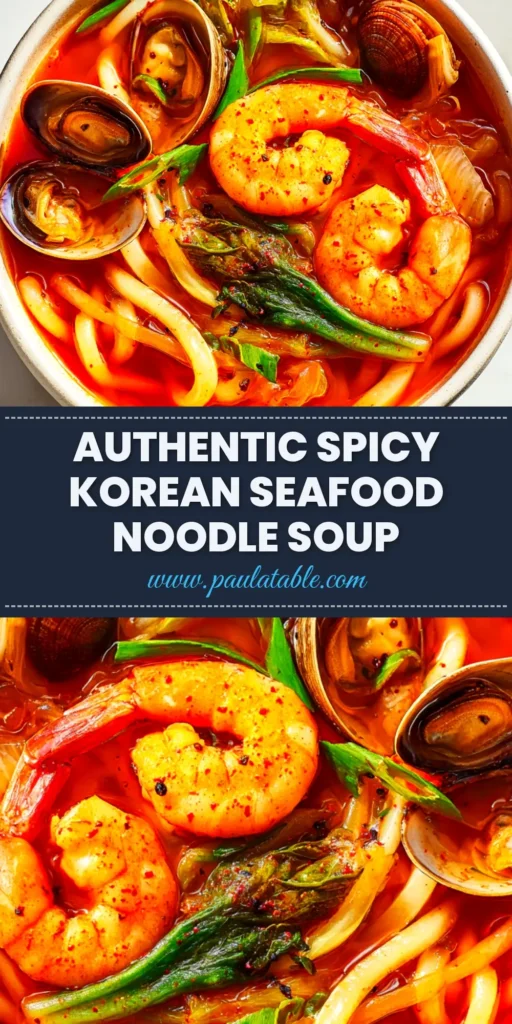
Dive into a bowl of incredible flavor with this authentic Jjamppong recipe. Jjamppong is a hearty Korean spicy seafood noodle soup, celebrated for its rich, fiery broth, generous medley of fresh seafood, and satisfyingly chewy noodles. If you’ve ever craved a restaurant-quality Korean noodle dish at home, this is the recipe you’ve been waiting for. It’s a symphony of savory, spicy, and umami notes that will warm you from the inside out.
We’ll walk you through every step, from building the deeply flavorful broth to perfectly cooking the noodles. Get ready to impress your family and friends, and yourself, with this stunning one-bowl meal.
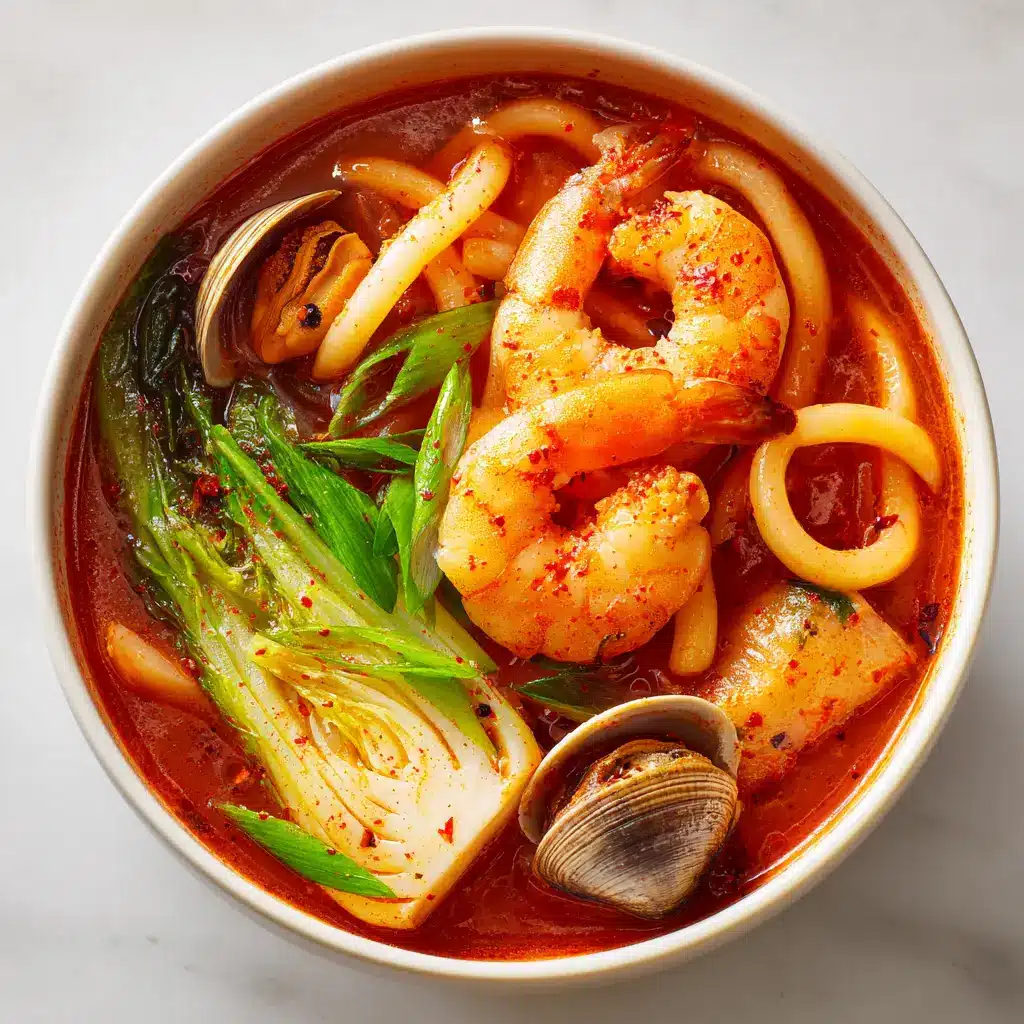
What is Jjamppong?
Jjamppong (짬뽕) is a popular Korean-Chinese noodle dish. It’s characterized by its vibrant red, spicy broth made with gochugaru (Korean chili powder), a variety of vegetables, and a generous amount of seafood. Unlike its non-spicy, black bean sauce counterpart, Jjajangmyeon, Jjamppong is all about the invigorating heat and the fresh taste of the sea. It’s a staple at Korean-Chinese restaurants and a beloved comfort food across Korea.
Why You’ll Love This Jjamppong Recipe
- Deeply Flavorful Broth: We build the flavor in layers, starting with an aromatic base of pork and vegetables, then adding the spicy and savory elements for a truly complex soup.
- Customizable Seafood: Use your favorite combination of seafood! Mussels, clams, shrimp, and squid are classic choices that make every bite exciting.
- Restaurant-Quality at Home: This recipe demystifies the process, giving you clear, simple steps to recreate the iconic dish you love.
- Hearty and Satisfying: Packed with protein, vegetables, and noodles, this is a complete and filling meal in one bowl. For another hearty meal, try our Authentic Beef Birria.
Key Ingredients for Authentic Jjamppong
Achieving the signature taste of this Jjamppong recipe relies on a few key components. Here’s what you’ll need to create that authentic flavor profile.
The Seafood Medley
The soul of Jjamppong is the seafood. A good mix provides layers of flavor to the broth. I recommend a combination of shrimp, mussels, clams, and squid for a classic taste.
The Aromatic Base
We start by rendering pork belly to create a flavorful foundation. Then, we sauté garlic, ginger, and green onions to build a fragrant base for the soup.
The Spicy Broth
The broth is the heart of the dish. A combination of gochugaru (Korean chili flakes), soy sauce, and oyster sauce creates the perfect balance of heat and umami. For a different kind of seafood delight, our Shrimp Scampi Pasta Bake is a guaranteed crowd-pleaser.
The Noodles
Fresh or frozen Korean wheat noodles (jungwhamyeon) are ideal for their chewy texture. However, you can substitute with udon or even thick spaghetti in a pinch.
Step-by-Step Instructions
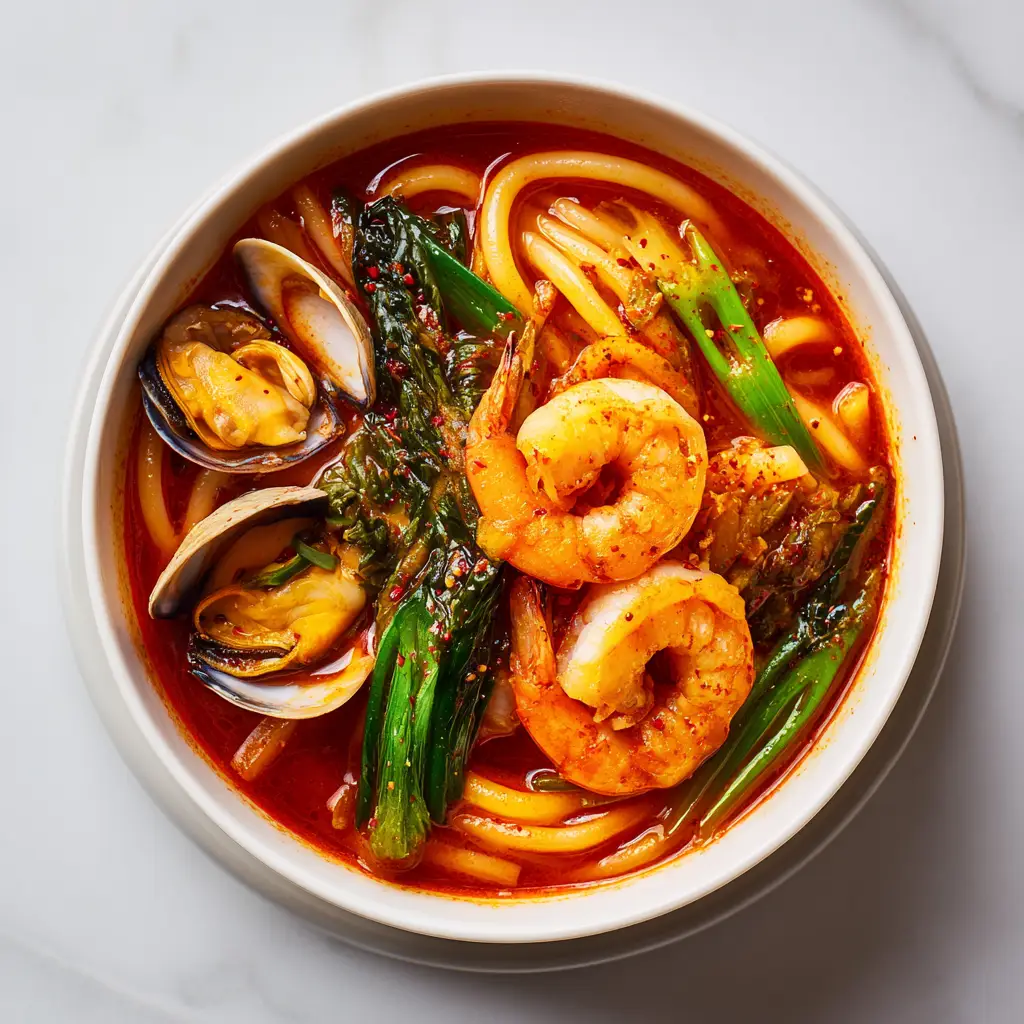
Follow these simple steps to create a perfect bowl of Jjamppong. We’ll start by preparing the vegetables and seafood, then build the broth, and finally assemble the bowls.
1. Prepare Your Ingredients
Begin by thoroughly cleaning and preparing your seafood. Devein the shrimp and clean the mussels and clams. Slice the pork belly and vegetables so everything is ready to go into the pot. Having all your components prepped (mise en place) makes the cooking process smooth and enjoyable.
2. Build the Flavor Base
In a large pot or Dutch oven, cook the pork belly over medium heat until it’s slightly crispy. Add the minced garlic, ginger, and the white parts of the green onions. Sauté for a minute until fragrant. This step creates the savory foundation of your soup.
3. Create the Spicy Soup
Stir in the gochugaru and cook for about 30 seconds, being careful not to burn it. This blooms the chili flakes and deepens their flavor. Add the sliced onion, zucchini, and carrots, cooking until they begin to soften. Deglaze the pot with rice wine, then add the soy sauce, oyster sauce, and chicken or anchovy stock. Bring the mixture to a boil.
4. Cook the Seafood and Noodles
Add the clams and mussels to the boiling broth, cover, and cook until they open. Next, add the shrimp and squid, cooking just until the shrimp turns pink and the squid is opaque. While the seafood cooks, prepare your noodles in a separate pot according to package directions.
5. Assemble and Serve
Drain the cooked noodles well and divide them among four large serving bowls. Ladle the hot seafood soup over the noodles, ensuring each bowl gets a generous amount of seafood and vegetables. Garnish with the green parts of the green onions and serve immediately.
Pro Tips for the Best Bowl of Jjamppong
- Don’t Overcook the Seafood: Add the more delicate seafood like shrimp and squid at the very end to keep it tender and succulent.
- Use a Quality Stock: A flavorful chicken or anchovy stock will make a significant difference in the final taste of your broth.
- Adjust the Spice Level: You can easily control the heat by increasing or decreasing the amount of gochugaru to suit your preference.
- Cook Noodles Separately: Always cook the noodles in a separate pot of water. Cooking them directly in the soup can make the broth starchy and thick. If you enjoy unique flavor combinations, you should check out our recipe for Korean Rice Balls.
Serving and Storing Suggestions
Jjamppong is best served piping hot, immediately after assembly. For a traditional Korean meal, serve it with a side of danmuji (yellow pickled radish). Leftover soup can be stored in an airtight container in the refrigerator for up to 2 days. Store the noodles separately to prevent them from becoming mushy. Reheat the soup on the stovetop until simmering before ladling over freshly cooked noodles.
Answering Your Questions
Absolutely. The spiciness comes from gochugaru (Korean chili flakes). Our recipe suggests 3-4 tablespoons, but you can reduce this to 1-2 tablespoons for a milder version or increase it if you love extra heat.
Jjamppong has a complex flavor profile. It is primarily spicy and savory with a deep seafood and umami taste from the broth. You’ll also taste a slight smokiness from the gochugaru and a subtle sweetness from the vegetables like onions and cabbage.
This recipe is very flexible! You can substitute with what’s available and fresh. Good alternatives include scallops, cod fillets cut into chunks, or even just increasing the amount of shrimp or mussels you use.
The best noodles are fresh or frozen Korean wheat noodles called ‘jungwhamyeon,’ made specifically for dishes like this. If you can’t find them, thick udon noodles or even spaghetti can work as a substitute.
The main difference is the sauce. Jjamppong is a spicy, red, seafood-based soup. Jjajangmyeon is a non-spicy dish served with a thick, savory black bean sauce.
Jjamppong Recipe
Jjamppong Recipe (Korean Spicy Seafood Noodle Soup)
Ingredients
Equipment
Instructions
- Heat vegetable oil in a large pot or Dutch oven over medium-high heat. Add the sliced pork belly and cook until browned and slightly crispy, about 3-4 minutes.
- Add the minced garlic, ginger, and the white parts of the green onions. Sauté for 1 minute until fragrant.
- Lower the heat to medium, add the gochugaru, and stir constantly for 30 seconds until fragrant. Be careful not to burn it.
- Add the sliced onion, zucchini, and carrots. Cook for 3-4 minutes, stirring occasionally, until the vegetables begin to soften.
- Pour in the rice wine to deglaze the pot. Add the soy sauce, oyster sauce, and stock. Increase the heat and bring to a rolling boil.
- Add the mussels and clams, cover the pot, and cook for 3-5 minutes, or until the shells have opened. Discard any that do not open.
- Stir in the shrimp and squid and cook for another 1-2 minutes until the shrimp is pink and opaque. Do not overcook. Remove from heat.
- While the soup is simmering, cook the noodles in a separate large pot of boiling water according to the package directions. Drain well.
- Divide the cooked noodles among four large bowls. Ladle the hot soup and seafood over the noodles. Garnish with the reserved green parts of the green onions and serve immediately.
Notes
Ingredient Prep: Having all your vegetables and seafood prepped before you start cooking is key, as the process moves quickly.
Stock Choice: Using a homemade or high-quality store-bought anchovy stock will provide the most authentic Korean flavor.
Share Your Creation!
We are so excited for you to try this Jjamppong recipe! It’s a truly special dish that’s perfect for a chilly evening or whenever you’re craving something bold and satisfying. If you make it, please leave a comment below and let us know how it turned out. Don’t forget to share your masterpiece on Pinterest!