This authentic Hawaiian Shoyu Chicken recipe delivers the perfect balance of sweet and savory flavors that will transport you straight to the islands. Simple to make and incredibly delicious, it’s a one-pan meal that will quickly become a family favorite. Get ready to enjoy tender, juicy chicken thighs simmered in a rich, flavorful sauce.
What is Shoyu Chicken?
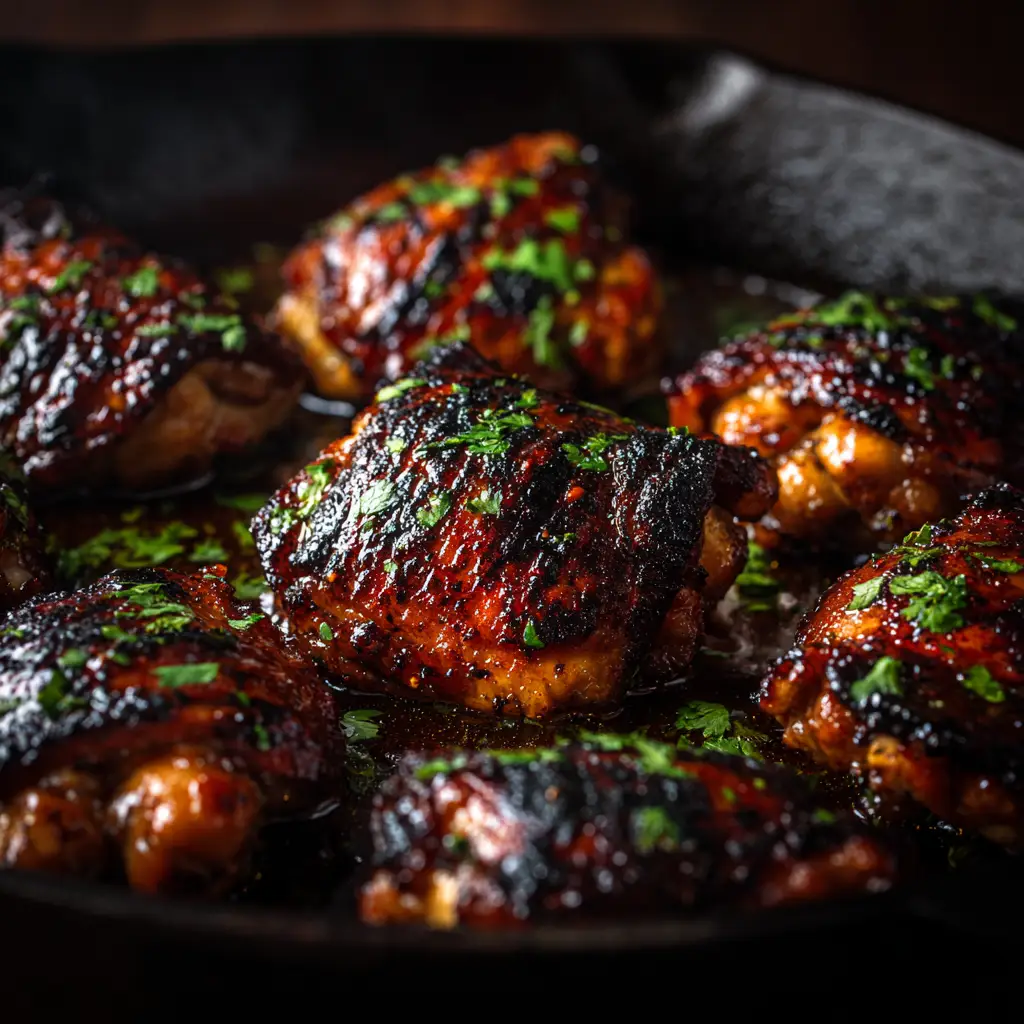
Shoyu Chicken is a classic Hawaiian dish beloved for its simplicity and deep flavor. The name itself gives a clue to its main ingredient: “Shoyu” is the Japanese word for soy sauce. This popular local comfort food involves simmering chicken in a marinade of shoyu, brown sugar, garlic, and ginger, resulting in a succulent dish with a rich, slightly sweet, and savory glaze.
Why You’ll Love This Hawaiian Shoyu Chicken Recipe
- Incredibly Flavorful: The simple marinade creates a sauce that’s addictively delicious, coating every piece of chicken.
- Easy to Make: With just a few staple ingredients and one pan, this recipe is perfect for a weeknight dinner.
- Tender and Juicy: Using chicken thighs ensures the meat stays moist and tender, soaking up all the wonderful flavors of the sauce.
- Versatile: It’s a crowd-pleaser that pairs perfectly with rice and a variety of side dishes.
Key Ingredients for Authentic Shoyu Chicken
The magic of this dish lies in its simple, yet powerful, combination of ingredients. Here’s what you’ll need to create that authentic island flavor.
The Star of the Show: Shoyu (Japanese Soy Sauce)
For a true Hawaiian Shoyu Chicken recipe, using a quality Japanese soy sauce (shoyu) is essential. It has a more nuanced, less salty, and slightly sweeter flavor profile compared to other types of soy sauce, which is crucial for the final taste.
Building the Flavor: Ginger, Garlic, and Brown Sugar
Freshly minced garlic and grated ginger provide the aromatic foundation of the sauce, offering a zesty and pungent kick. Brown sugar dissolves into the shoyu, adding a deep, caramel-like sweetness that balances the saltiness and creates the signature glaze.
The Best Cut of Chicken to Use
Boneless, skinless chicken thighs are the ideal choice for this recipe. They have a higher fat content than chicken breasts, which keeps them incredibly tender and juicy during the simmering process and prevents them from drying out.
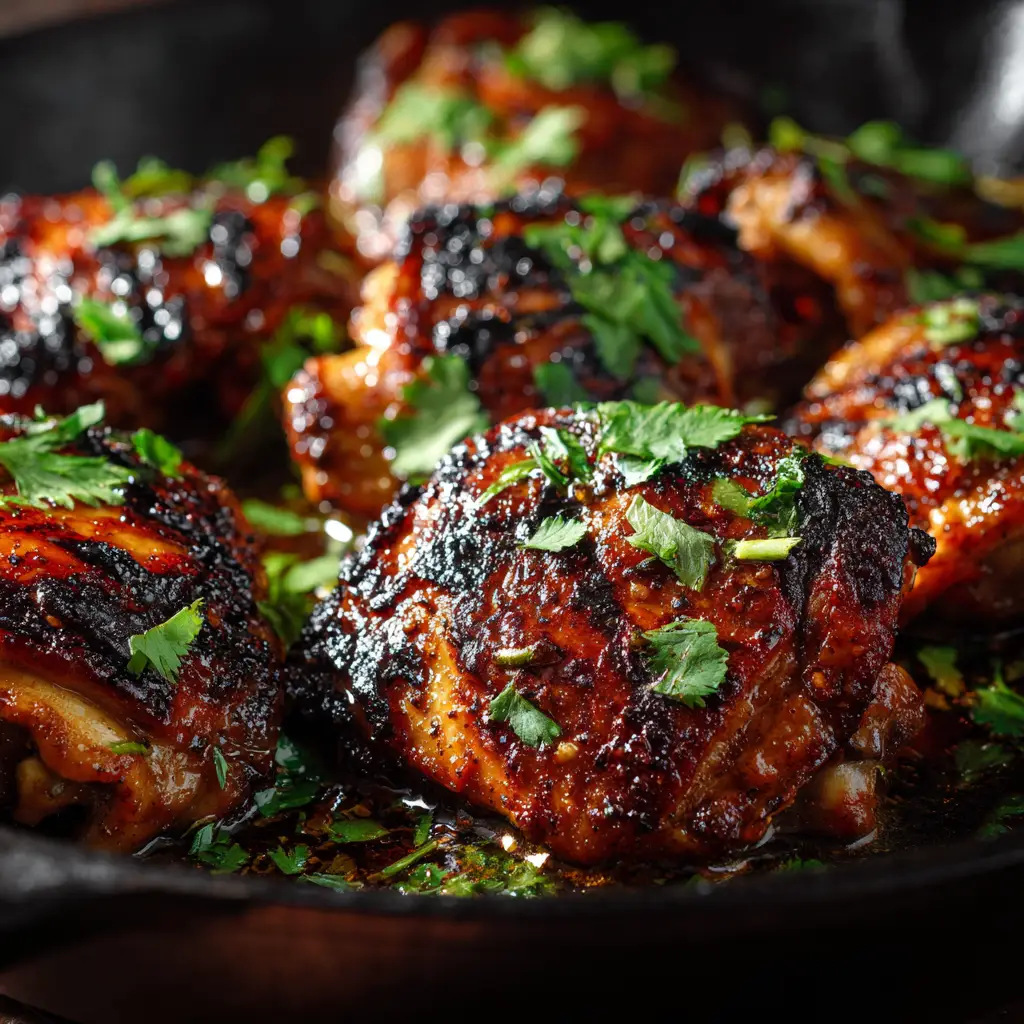
Step-by-Step Instructions
Follow these simple steps to create a mouthwatering meal. This process is straightforward and guarantees delicious results every time.
Step 1: Prepare the Marinade
In a large bowl, whisk together the shoyu (soy sauce), water, brown sugar, minced garlic, and grated ginger. Stir until the sugar is mostly dissolved. This mixture will serve as both the marinade and the cooking sauce.
Step 2: Marinate the Chicken
Place the boneless, skinless chicken thighs into the bowl with the marinade. Ensure each piece is fully coated. For the best flavor, cover the bowl and let the chicken marinate in the refrigerator for at least 30 minutes, or up to 4 hours.
Step 3: Cook the Chicken
Heat a large skillet or Dutch oven over medium-high heat. Add the vegetable oil. Once the oil is shimmering, remove the chicken from the marinade, allowing any excess to drip off. Place the chicken in the skillet and sear for 3-4 minutes per side, until golden brown. Don’t discard the marinade!
Step 4: Simmer and Thicken the Sauce
Pour the reserved marinade over the seared chicken in the skillet. Bring the sauce to a boil, then reduce the heat to low, cover, and let it simmer for 20-25 minutes, or until the chicken is cooked through and tender. To create a thicker glaze, mix the cornstarch and water in a small bowl to create a slurry. Remove the chicken from the skillet, stir the slurry into the sauce, and simmer for another 1-2 minutes until it thickens. Return the chicken to the pan and coat with the glaze.
Tips for the Perfect Hawaiian Shoyu Chicken
- Don’t Skip the Sear: Searing the chicken before simmering builds a flavorful crust and locks in the juices.
- Use Fresh Ingredients: Fresh garlic and ginger make a world of difference in the flavor of the sauce compared to their powdered counterparts.
- Control the Sweetness: You can adjust the amount of brown sugar to your liking. Start with a little less if you prefer a more savory dish.
- Let it Rest: Allow the chicken to rest for a few minutes before slicing to ensure it stays juicy.
Serving Suggestions
Traditionally, Hawaiian Shoyu Chicken is served over a bed of steamed white rice, which is perfect for soaking up the extra sauce. A side of creamy macaroni salad or a fresh green salad like this Tropical Avocado Mango Salad completes the classic plate lunch. For a different twist, try serving it with a refreshing Watermelon and Pineapple Salad.
Variations and Substitutions
- Add some heat: For a spicy kick, add a teaspoon of red pepper flakes or a dash of sriracha to the marinade.
- Slow Cooker Method: Place all ingredients in a slow cooker and cook on low for 4-6 hours or on high for 2-3 hours. Thicken the sauce at the end using the cornstarch slurry on the stovetop.
- Different Protein: While chicken thighs are best, this marinade also works wonderfully with chicken wings, drumsticks, or even a tender filet mignon.
Storing and Reheating
Store leftover shoyu chicken in an airtight container in the refrigerator for up to 4 days. You can reheat it gently in a skillet over low heat or in the microwave. The flavors often taste even better the next day!
Frequently Asked Questions
Yes, you can use chicken breasts, but be careful not to overcook them as they can dry out more easily than thighs. We recommend reducing the simmering time slightly and checking for doneness to keep the chicken moist.
For the best flavor, we recommend marinating the chicken for at least 30 minutes. If you have the time, marinating for up to 4 hours will result in an even more tender and flavorful dish.
Traditional shoyu (soy sauce) contains wheat and is not gluten-free. To make this recipe gluten-free, you must use a gluten-free soy sauce substitute, such as tamari.
The classic way to serve shoyu chicken is with two scoops of white rice and a side of macaroni salad, just like a traditional Hawaiian plate lunch. It also pairs well with steamed vegetables or a fresh green salad.
The main difference is in the sauce. Shoyu chicken is made with a simpler sauce of soy sauce (shoyu), sugar, ginger, and garlic. Teriyaki sauce is typically sweeter and thicker, often including mirin or sake, and is used as a glaze.
More Delicious Recipes To Try
If you enjoyed this recipe, you’re sure to love our Creamy Garlic Parmesan Chicken or our vibrant Ginger Soy Glazed Cod.
Did you make this Hawaiian Shoyu Chicken recipe? We’d love to see it! Share your creation and tag us on Pinterest. Your feedback and shares help us grow and bring more delicious recipes to your table. Enjoy!
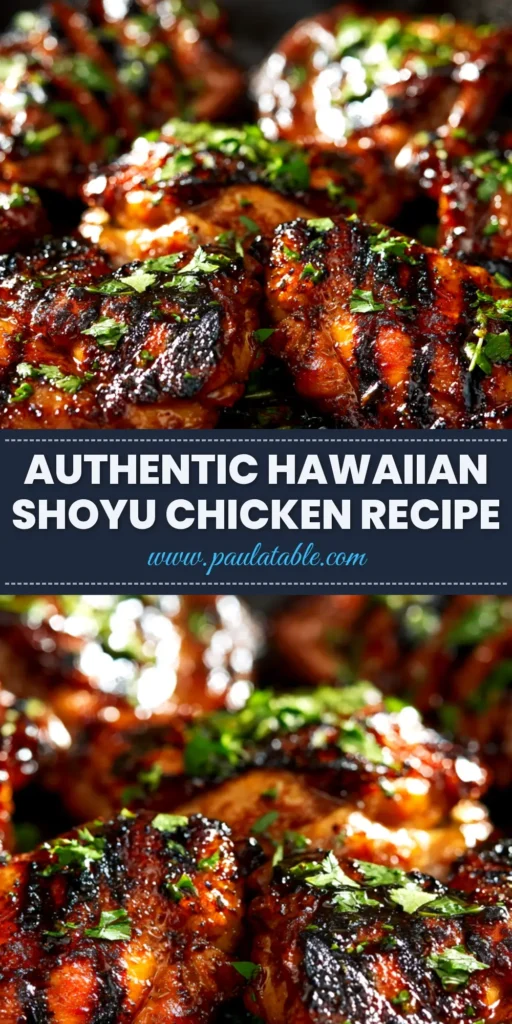
Hawaiian Shoyu Chicken Recipe
Hawaiian Shoyu Chicken Recipe (The Authentic Taste of the Islands)
Ingredients
Equipment
Instructions
- In a large bowl, whisk together the shoyu, 1 cup of water, brown sugar, minced garlic, and grated ginger until the sugar is mostly dissolved.
- Add the chicken thighs to the marinade, ensuring they are fully submerged. Cover and refrigerate for at least 30 minutes or up to 4 hours.
- Heat vegetable oil in a large skillet over medium-high heat. Remove chicken from the marinade (reserving the liquid) and place it in the skillet. Sear for 3-4 minutes on each side until golden brown.
- Pour the reserved marinade over the chicken. Bring to a boil, then reduce heat to low, cover, and simmer for 20-25 minutes, until the chicken is cooked through and tender.
- Remove the chicken from the skillet. In a small bowl, whisk together the cornstarch and 2 tablespoons of water to create a slurry. Stir the slurry into the sauce in the skillet and simmer for 1-2 minutes until it thickens into a glaze.
- Return the chicken to the skillet and toss to coat with the thickened sauce. Garnish with sliced green onions and sesame seeds before serving.
Notes
Adjust brown sugar to your personal preference for sweetness.
This dish stores well and the flavors meld beautifully, making it great for leftovers.