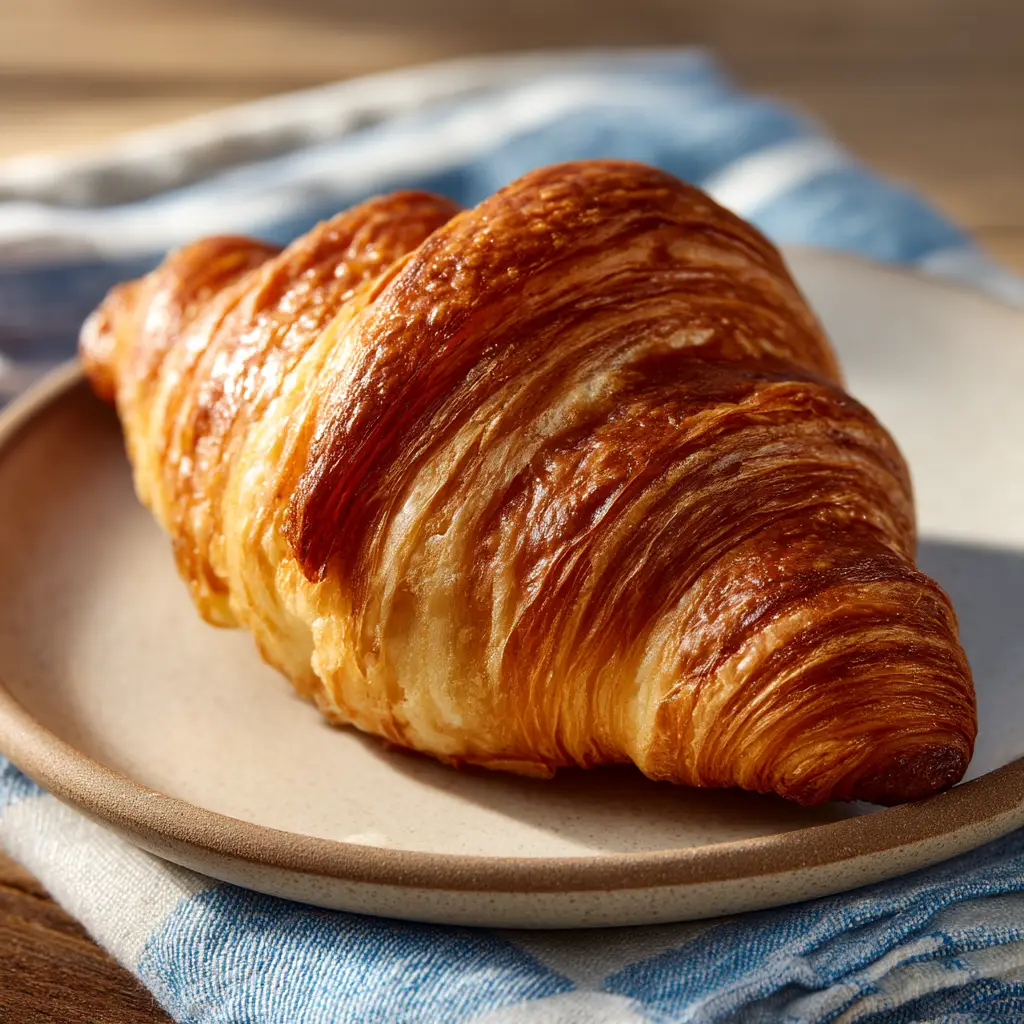
There’s nothing quite like the shattering crisp of a freshly baked, buttery croissant. For many, crafting Homemade French Croissants seems like a complex culinary feat reserved for professional pastry chefs. But what if I told you that with a little patience and the right guide, you can create bakery-quality croissants in your own kitchen? This recipe breaks down the intricate process into manageable steps, spread over three days, ensuring a perfect, flaky result every time. Forget the store-bought versions; true pastry bliss is within your reach.
This guide is designed for the enthusiastic home cook. We will walk through every stage, from creating the initial dough to the magical process of lamination, which creates those irresistible layers. Prepare to fill your home with the incredible aroma of baking butter and flour.
Why This Croissant Recipe Works
Success in baking comes down to a reliable recipe and a clear understanding of the technique. This recipe for Homemade French Croissants works because it focuses on a structured, three-day schedule. This approach doesn’t require more active work, but it allows the dough ample time to rest and develop flavor, which is crucial for both texture and taste. It also prevents you from feeling rushed, which is when mistakes happen. We’ll control the temperature, manage the lamination, and guide the proofing process for a foolproof result.
The Art of Lamination: The Secret to Flaky Layers
The magic of a croissant lies in its honeycomb interior and flaky texture. This is achieved through a process called lamination. In simple terms, lamination involves folding a block of cold butter into a lean dough multiple times. Each fold creates alternating layers of dough and butter. When the croissants hit the hot oven, the water in the butter turns to steam, pushing the dough layers apart and creating the hundreds of delicate, airy pockets that define a perfect croissant.
Essential Ingredients for Authentic Croissants
While the process is key, the quality of your ingredients is just as important. Using high-quality components will make a significant difference in the final product. Here’s what you’ll need:
- All-Purpose Flour: Provides the right balance of strength and tenderness for the dough.
- Unsalted European-Style Butter: This is the star of the show. European-style butter has a higher fat content (at least 82%), which makes it more pliable and less prone to melting during lamination. This is critical for creating distinct layers.
- Active Dry Yeast: To give the croissants their characteristic lightness and lift.
- Granulated Sugar: Adds a hint of sweetness and helps the yeast activate.
- Whole Milk: Enriches the dough for a soft, flavorful crumb.
- Salt: Crucial for balancing the flavor and controlling the yeast’s activity.
- Egg: For a rich, golden egg wash that gives the croissants their beautiful shine.
How to Make Homemade French Croissants: A 3-Day Schedule
Let’s break down how to make these incredible pastries. Following this schedule makes the process feel easy and ensures your dough is perfectly rested at every stage.
Day 1: Making the Détrempe (Dough Block)
The first day is simple and takes less than 30 minutes. We are creating the foundational dough, called the détrempe. In the bowl of a stand mixer fitted with the dough hook, combine the flour, sugar, yeast, and salt. Add the lukewarm milk and mix on low speed until a shaggy dough forms. Knead for 3-4 minutes until smooth. Wrap the dough tightly in plastic wrap and refrigerate for at least 8 hours, or overnight.
Day 2: Lamination and Shaping
Today is all about the butter and the folds. First, create your butter block (the beurrage) by shaping cold butter into a flat square. The key is to keep both the dough and the butter cold. You’ll enclose the butter block in the dough and then perform a series of “turns” or “folds.” After each turn, the dough must rest in the refrigerator. This allows the gluten to relax and keeps the butter from melting. Once the lamination is complete, you’ll roll out the dough, cut it into triangles, and shape your croissants. The shaped croissants are then placed on a baking sheet, covered, and refrigerated overnight for a long, slow proof.
Day 3: Proofing and Baking
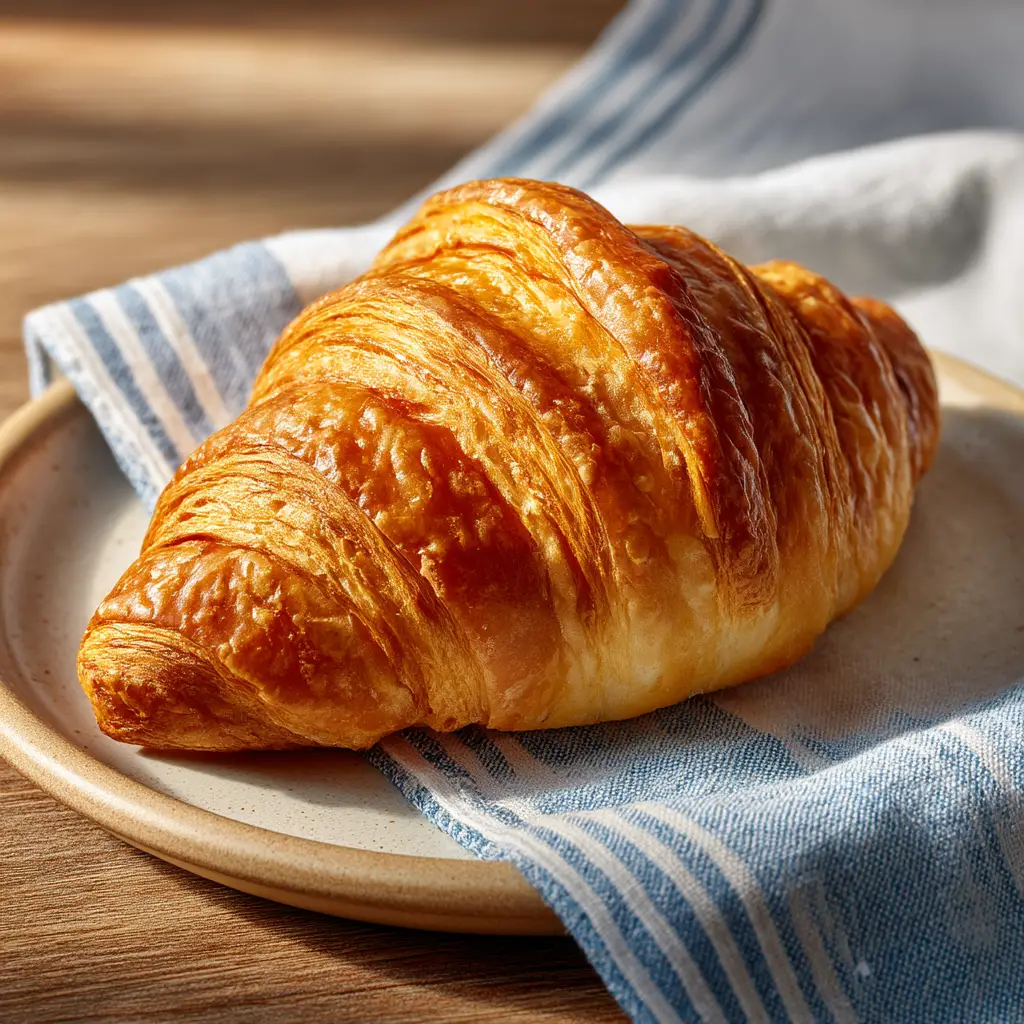
On the final day, your shaped croissants will need to proof at room temperature until they are puffy and visibly larger, with distinct layers. They should jiggle like gelatin when you gently shake the pan. Brush them with an egg wash and bake in a hot oven until they are deeply golden brown and beautifully puffed. The aroma alone is your reward!
Tips for Perfect, Buttery Croissants
Mastering Homemade French Croissants is a journey, and these tips will guide you to success.
- Temperature is Everything: Your butter and dough must stay cold. If the kitchen is warm, work quickly and don’t hesitate to return the dough to the fridge if it becomes soft or sticky.
- Be Gentle: When rolling the dough, use even, gentle pressure. You want to extend the layers, not press them together.
- Measure Precisely: Baking is a science. Use a kitchen scale for the most accurate measurements, especially for the flour and butter. For more delicious breakfast ideas, check out this recipe for Blueberry Cream Cheese Danish.
Troubleshooting Common Croissant Problems
Sometimes things don’t go as planned. Here’s how to fix common issues:
- Butter Leaking During Baking: This usually means the croissants were under-proofed or the lamination layers were broken. Ensure your dough is properly proofed and that your butter never gets too warm during the lamination process.
- Dense or Bready Croissants: This is a sign of under-proofing or not creating enough layers. Be patient with the final proof; it can take several hours depending on your kitchen’s temperature.
- Not Enough Layers: This can happen if the butter was too soft and mixed into the dough instead of staying in distinct layers. Use high-fat, cold butter. If you love flaky pastries, you should also try these Flaky Cinnamon Twists.
Storing and Freezing Your Homemade Croissants
Croissants are best enjoyed the day they are baked. Store any leftovers in an airtight container at room temperature for up to two days. You can refresh them in a 350°F (175°C) oven for 3-5 minutes. For longer storage, you can freeze the unbaked, shaped croissants. Place them on a baking sheet in the freezer until solid, then transfer to a freezer bag. They can be baked from frozen, though they will need a few extra minutes in the oven. For a savory option, our Sourdough Focaccia Recipe is another fantastic baking project.
Frequently Asked Questions About Making Croissants
Yes, this recipe is designed to be made over three days, which naturally builds in make-ahead time. You can also freeze the shaped, unbaked croissants for up to a month and bake them directly from frozen.
Properly proofed croissants will have nearly doubled in size, and you should be able to see the distinct layers. They will feel very light and airy. A good test is to gently shake the baking sheet; the croissants should jiggle slightly, like gelatin.
Use a high-quality, unsalted European-style butter with at least 82% fat content. Its higher fat content makes it more pliable when cold, preventing it from breaking or melting into the dough during the lamination process.
The secret is lamination. This process involves folding cold, high-fat butter into the dough multiple times. When baked, the water in the butter creates steam, pushing the dough layers apart to create hundreds of distinct, flaky layers.
This common issue is usually caused by under-proofing the croissants or having a lamination error. If the dough isn’t proofed enough, the butter melts and leaks out before the dough structure is set. Ensure the croissants are puffy and jiggly before baking.
The Best Homemade French Croissants Recipe
Homemade French Croissants (The Ultimate Guide)
Ingredients
Equipment
Instructions
- In the bowl of a stand mixer with the dough hook, whisk together flour, sugar, yeast, and salt.
- Add the lukewarm milk. Mix on low until a shaggy dough forms, then knead for 3-4 minutes until smooth. The dough should be slightly tacky but not sticky.
- Shape the dough into a 1-inch thick rectangle, wrap tightly in plastic wrap, and refrigerate overnight (at least 8 hours).
- Place the cold butter between two sheets of parchment paper. Pound and roll it into an 8x8 inch square. Keep it cold in the refrigerator.
- On a lightly floured surface, roll the chilled dough into a 12x12 inch square. Place the butter block in the center at a 45-degree angle. Fold the corners of the dough over the butter to completely enclose it, pinching the seams to seal.
- Roll the dough into a long rectangle, about 24x8 inches. Perform a 'letter fold': fold the bottom third up, then the top third down over it. Wrap in plastic and refrigerate for 1 hour.
- Repeat the rolling and folding process two more times, for a total of three turns. Chill the dough for 1 hour between each turn.
- Roll the final dough into a large rectangle about 1/4-inch thick. Trim the edges. Cut the dough into long triangles. Gently stretch each triangle, then roll it up from the base to the tip. Place on a parchment-lined baking sheet, cover loosely with plastic wrap, and refrigerate overnight.
- Remove croissants from the refrigerator. Let them proof at warm room temperature (about 75°F / 24°C) for 2-3 hours, or until they are puffy, airy, and jiggle when the pan is shaken.
- Preheat your oven to 400°F (200°C). Gently brush the proofed croissants with the egg wash.
- Bake for 15-20 minutes, or until deeply golden brown and puffed. Let cool on a wire rack for a few minutes before serving.
Notes
Keep the dough and butter cold at all times to prevent the butter from melting and ensure flaky layers.
Don't rush the proofing process; it's essential for a light, airy texture.
Pin This Recipe!
If you loved making these croissants, don’t forget to save this recipe! Pin it to your favorite board on Pinterest to easily find it later. Your friends and family will be begging you for the recipe!